
Outdoor Learning
Learning Rooted in the Created World
Outdoor Learning
Learning Rooted in the Created World
Children understand the natural world differently when they are given time to enter it, observe it closely, care for it, and learn from it.
At Mount St. Michael Catholic School, the outdoors is more than a place for recess. Our outdoor classrooms, agricultural studies, farm, gardens, and apiary extend learning beyond the walls of the school, inviting students to encounter the beauty, order, and complexity of God’s creation, and to accept responsibility for its care.
Here, knowledge is not merely discussed. It is encountered firsthand.
OUTDOOR CLASSROOMS
Some Lessons Need Sky Above Them
Mount St. Michael sits on several acres of land, including areas intentionally left undeveloped. The campus features outdoor classrooms, an amphitheater, athletic spaces, gardens, a barn, animal-care areas, and ample room for students to move, observe, investigate, and work.
These spaces allow teachers to extend appropriate lessons beyond the classroom walls and use the campus itself as an educational resource.
Students can observe seasonal changes rather than merely read about them. They can measure distance and area in a real-world setting; sketch, write, and discuss literature outdoors; examine plant and animal life; study natural patterns; and consider how human choices affect the world around them.
The outdoors does not replace strong classroom instruction. It provides another setting in which students can apply, connect, and deepen what they are learning.
More Than Additional Recess
Play, movement, and fresh air are essential to a healthy childhood. Outdoor learning provides those benefits while also serving a broader educational purpose.
A thoughtfully designed outdoor lesson requires students to pay close attention. They may observe a change, identify a pattern, compare two organisms, measure growth, record evidence, care for something living, solve a practical problem, or explain what they have discovered.
These experiences cultivate qualities and habits that strengthen learning everywhere:
- Careful observation
- Patience
- Curiosity
- Problem-solving
- Physical confidence
- Collaboration
- Responsibility
- Respect for the natural world
- Wonder at the order of creation
Learning outdoors invites students to engage their minds, senses, and bodies together.
Outdoor Learning Across the Ages
Toddler Montessori (18 months – 3 years)
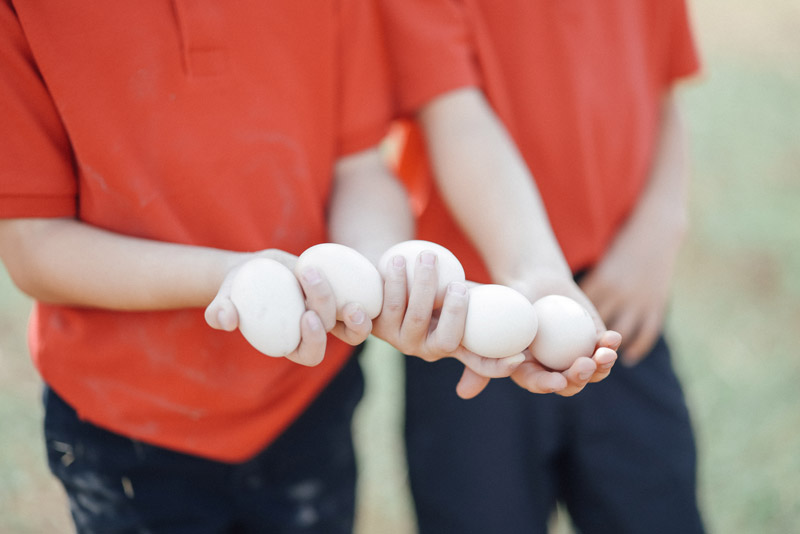
For toddlers, the outdoors provides space for movement, sensory exploration, language development, and growing independence. Walking across uneven ground, carrying objects, exploring natural materials, naming what they see, and caring for a small part of their environment all support healthy development.
Children’s House (Pre K – Kindergarten)
Children’s House students observe plants, animals, weather, color, shape, texture, and seasonal changes. These direct experiences give concrete meaning to their work in language, science, geography, classification, and practical life within the Montessori environment.
Classical Grammar School
Grammar-school students build knowledge by identifying, categorizing, measuring, recording, narrating, and investigating firsthand. Outdoor experiences provide concrete context for lessons in science, mathematics, geography, art, literature, and faith.
Classical Dialectic/Logic School
Older students are ready to examine relationships, systems, and consequences. They explore increasingly complex questions involving ecosystems, animal care, food production, engineering, resource use, stewardship, ethics, and the effects of human decisions.
The questions deepen as students mature, but the foundational habit remains the same: observe carefully before drawing conclusions.
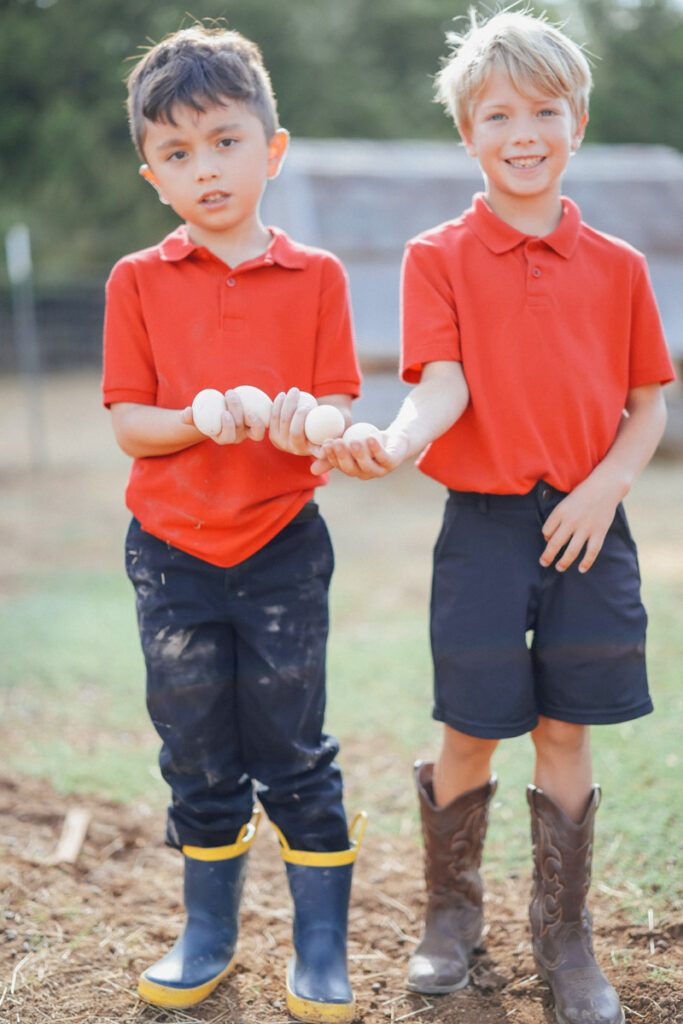
More Green Time.
Less Screen Time.
Technology can be a valuable tool, but it should not become the primary means through which children experience the world.
MSMCS uses technology deliberately while preserving direct experiences that no screen can reproduce: caring for an animal, watching a seed grow into a plant, observing the movement of an insect, feeling a change in the weather, solving a problem with one’s hands, or sharing a face-to-face conversation with teachers and classmates.
“More green time and less screen time” does not mean rejecting technology. It means protecting time for the physical, relational, sensory, and contemplative experiences essential to healthy development.
Students should learn to use technology wisely without depending on it for every answer, activity, relationship, or encounter with the world.
Creation Awakens Wonder
Nature does more than provide material for scientific study. It brings students face-to-face with realities they did not create and cannot fully control.
The patterns within a leaf, the order of a bee colony, the interdependence of living things, the changing seasons, and the patience required for growth all invite deeper questions:
What kind of order do we see here? What responsibility do we have toward living things? What does creation reveal about its Creator?
Outdoor learning through nature studies gives students room to encounter beauty and cultivate wonder. Wonder, in turn, awakens attention and a desire to understand.
AGRICULTURAL STUDIES
Responsibility Cannot Be Learned Only from a Book
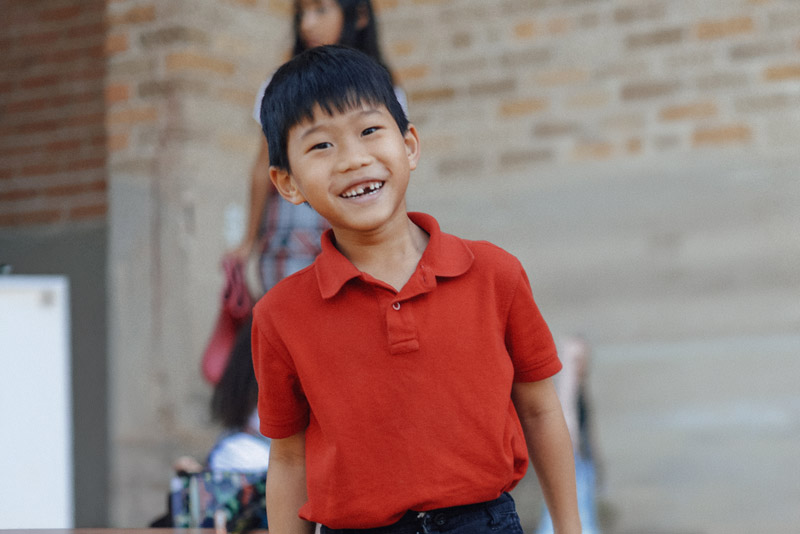
Agricultural studies give children meaningful work with tangible results and real consequences.
Plants require consistent care. Animals depend on people for food, water, shelter, cleanliness, and protection. Gardens do not grow according to a child’s preferred timetable. Caring for living things develops patience, careful observation, cooperation, and responsibility.
Through the school’s Agricultural Studies outdoor-learning initiative, agricultural experiences connect science, technology, religion, engineering, art, and mathematics, grounding each subject in the real world.
The purpose is not to prepare children for careers in agriculture. It is to use agricultural life as a living classroom in which knowledge, character, responsibility, and wonder can grow together.
Learning Through Meaningful Work
Depending on their age and level of responsibility, students may participate in activities such as:
- Observing and documenting plant or animal growth
- Learning what living things need to remain healthy
- Planting, watering, tending, and harvesting
- Studying soil, weather, habitats, and seasonal changes
- Measuring growth and recording data
- Examining food systems and natural cycles
- Composting and considering responsible resource use
- Solving practical problems involving shelter, water, space, or care
- Reflecting on stewardship and our responsibility to care for creation
Formation Through Stewardship
A living thing cannot be cared for only when it is convenient.
Agricultural work teaches students that responsibility means responding consistently to needs beyond their own. It requires them to notice, anticipate, cooperate, and follow through.
Mistakes also become instructive. A neglected task has consequences. A failed planting invites an investigation. An unexpected change calls for a thoughtful response. Students learn that growth often requires patience, humility, adjustment, and willingness to begin again.
These experiences form more than practical skills. They cultivate lasting habits of service and stewardship.
THE FARM
Learning Responsibility Through Animal Care
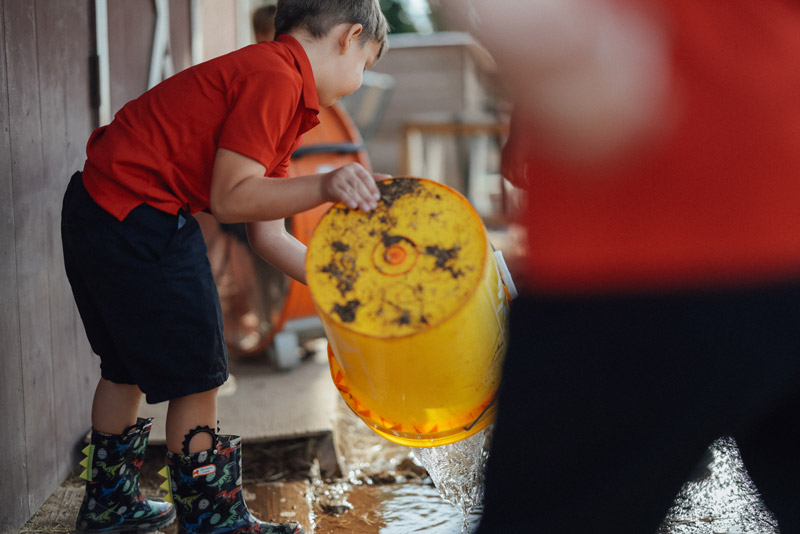
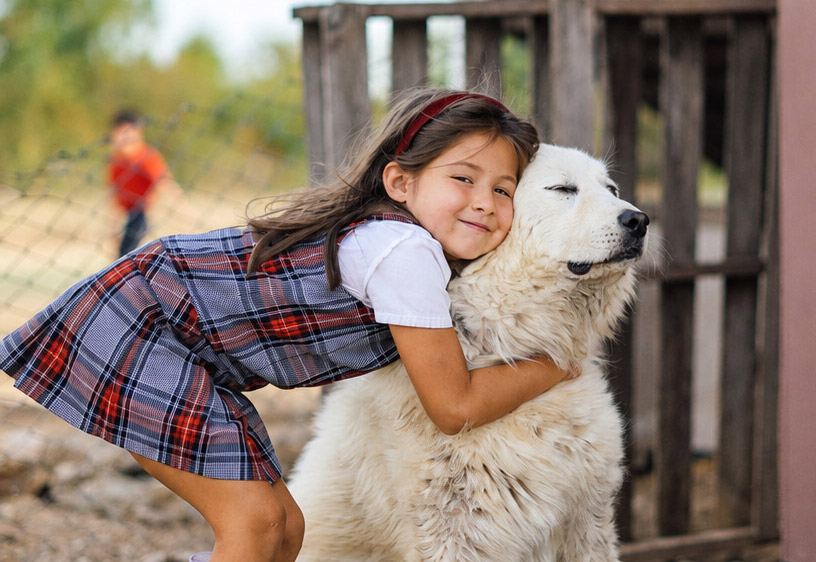
The school’s barn and animal-care areas give students opportunities to experience the daily realities of caring for living creatures, including sheep, chickens, turkeys, and a Great Pyrenees.
The value extends beyond the enjoyment of seeing animals. Students learn to observe behavior, respect boundaries, recognize needs, complete age-appropriate tasks, and understand the responsibility entrusted to those who care for animals.
Working near animals also requires children to become calm, attentive, and aware. They learn that a living creature cannot be treated as an object or controlled without regard for its nature and needs.
Faith and the Order of Creation
An apiary requires students to be present in a different way. They must learn to observe without rushing, follow directions carefully, respect the nature of the bees, and enter the world of the hive as caretakers rather than controllers. These habits—attention, patience, calm, humility, and respect—are valuable far beyond the apiary.
Led by Chris Chance of Oak Cliff Bee Company, Mount St. Michael’s apiary program offers students in grades 3–8 a hands-on, after-school enrichment opportunity each spring. Students begin with classroom instruction on bees and hive behavior before putting on protective bee suits to explore the hives, learn safe smoking techniques, and discover how honey is harvested. Students also have opportunities to help process honey collected from the school’s hives, which is then sold to Mount St. Michael families. Upper elementary students may pursue Junior Master Beekeeper certification through Texas A&M University, with two students having earned this distinction to date.
The hive teaches students that meaningful work often requires them to slow down, look carefully, and recognize that they are part of a created world far larger and more complex than they are. It also gives students another way to encounter truth, goodness, and beauty.
The intricate order of the colony invites inquiry into truth. The essential role of pollinators reveals the good that each living creature contributes within an ecosystem. The structure, movement, and purposeful activity of the hive display a form of beauty that rewards careful attention.
These observations lead naturally to gratitude and stewardship. Creation is not merely a collection of resources to use. It is a gift to receive with gratitude, understand with humility, cultivate with care, and protect with responsibility.
WHY OUTDOOR LEARNING MATTERS
Preparing Children for More Than a Test
Students need academic knowledge and intellectual discipline. They also need to know how to observe carefully, work with their hands, care for living things, solve practical problems, move with confidence, cooperate with others, and remain open to wonder.
Outdoor learning brings these capacities together.
The goal is not to romanticize nature or move every lesson outside. It is to offer students a fuller education, one that connects mind and body, knowledge and experience, freedom and responsibility, creation and Creator.
This is an essential part of helping every child become the person God created them to be.
Plan Your Visit
Come Experience a Campus Designed for Childhood
Our outdoor classrooms are best understood when you see students learning within them.
We invite you to walk the grounds and discover where children learn, move, work, explore, pray, and encounter the beauty of God’s creation.