Student Life
A School Where Children Learn, Belong, and Contribute
Student Life
A School Where Children Learn, Belong, and Contribute
A child’s education is shaped by more than lessons and assignments.
It is also shaped through friendship, competition, creativity, responsibility, service, celebration, and the discovery of gifts that may not appear on a report card.
Student life at Mount St. Michael gives children opportunities to participate fully in the school community—to try something new, develop an interest, accept responsibility, serve others, and experience the joy of belonging.
CLUBS & ORGANIZATIONS
Discovering Interests. Developing Responsibility.
Clubs allow students to pursue interests beyond the regular curriculum and build relationships with others who share their curiosity.
The value of a club is not simply the activity it offers. Students also learn how to participate consistently, cooperate with different ages, follow through on responsibilities, contribute ideas, and help create something they could not create alone.
Apiary Program
A working apiary gives students an unusually rich opportunity to study one of creation’s most remarkable and complex communities.
Honeybees reveal interdependence, communication, order, and adaptation, as well as the essential relationship between pollinators and the plants on which ecosystems and food systems depend.
Through the apiary, students learn to look beyond the individual bee and understand the colony as an interconnected living system.
Age-appropriate apiary study can introduce students to:
- The life cycle and roles of honeybees
- Colony structure and cooperation
- Pollination
- Flowering plants and food production
- Habitats and seasonal behavior
- Adaptation and communication
- Interdependence within ecosystems
- Responsible care for living creatures
- Data collection and scientific observation
- The effects of environmental conditions on pollinators
Students also consider broader questions: How do thousands of individual bees’ function as one colony? Why are pollinators essential? Which human actions help or harm their habitats? What responsibilities come with keeping bees?
Dad's Club
Dad’s Club invites fathers and father figures to participate more fully in the life of the school.
Through service, events, campus projects, fellowship, and support for student activities, members strengthen relationships among families while providing children with visible examples of adult participation and service.
Student Council & Leadership
Athletics
Strength, Discipline, Teamwork, and Joy
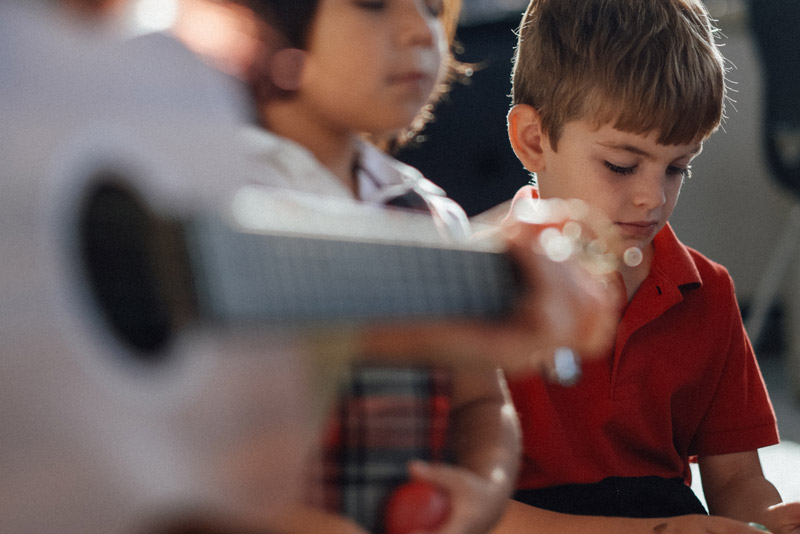
Physical development belongs within the formation of the whole person.
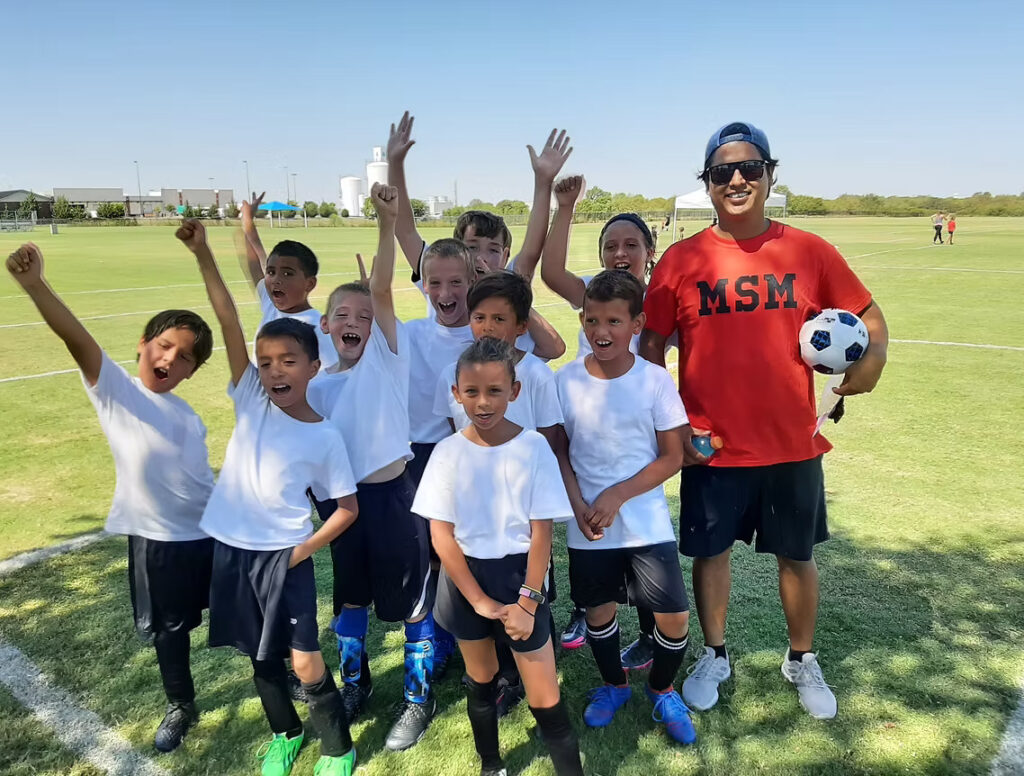
Through physical education, athletics, recreational activities, and competition, students learn to move with confidence, develop skills, accept coaching, persevere through difficulty, work with teammates, and respond well to both victory and disappointment.
Athletics offer immediate lessons in character. Effort matters. Preparation matters. Self-control matters. Individual talent must be placed at the service of the team.
The goal is not simply to produce better athletes. It is to help students become more disciplined, resilient, generous, and courageous people.
Competition with Purpose
Healthy competition asks students to pursue excellence without treating an opponent as an enemy.
Students learn to compete honestly, respect officials and coaches, encourage teammates, acknowledge mistakes, and maintain dignity when the result is not what they hoped.
Victory can teach gratitude and humility. Defeat can teach perseverance and perspective. Both reveal character and create opportunities for growth.
At MSMCS, athletic participation should reflect the same virtues expected in the classroom: courage, integrity, responsibility, respect, and faithful service.
Athletic Spaces
The MSMCS campus includes a gymnasium, full-size soccer field, and outdoor sports court, giving students room for physical education, practice, competition, recreation, and community events.
Current Athletic Opportunities
The MSMCS athletic program currently offers:
- Archery
- Soccer (Kindergarten through 4th grade)
- Flag Football (5th & 6th grade)
- Cross country (5th – 8th grade)
- Girls JV Volleyball (5th & 6th grade)
- Co-ed Volleyball (7th & 8th grade)
- Girls Basketball (5th – 8th grade)
- Boys Basketball (5th – 8th grade)
THE ARTS
Learning to Recognize
and Create Beauty
The arts teach students to pay attention.
A musician must listen. An artist must observe. A performer must develop memory, discipline, expression, courage, and awareness of others. Creative work asks students to bring order and meaning to what they see, hear, imagine, and experience.
At Mount St. Michael, the arts belong within an education directed toward truth, goodness, and beauty. They are not decorative additions to the academic program. They help form perception, imagination, confidence, and the ability to communicate what cannot always be expressed through explanation alone.
Visual Art
Through visual art, students study line, shape, color, texture, form, proportion, composition, and the work of artists across periods and cultures.
They learn that artistic ability grows through observation, instruction, experimentation, revision, and practice. Students create while also developing the vocabulary and judgment needed to discuss what they see.
Whenever possible, art should connect with literature, history, faith, nature, and other areas of study so students understand creative expression within a larger intellectual and cultural context.
Music
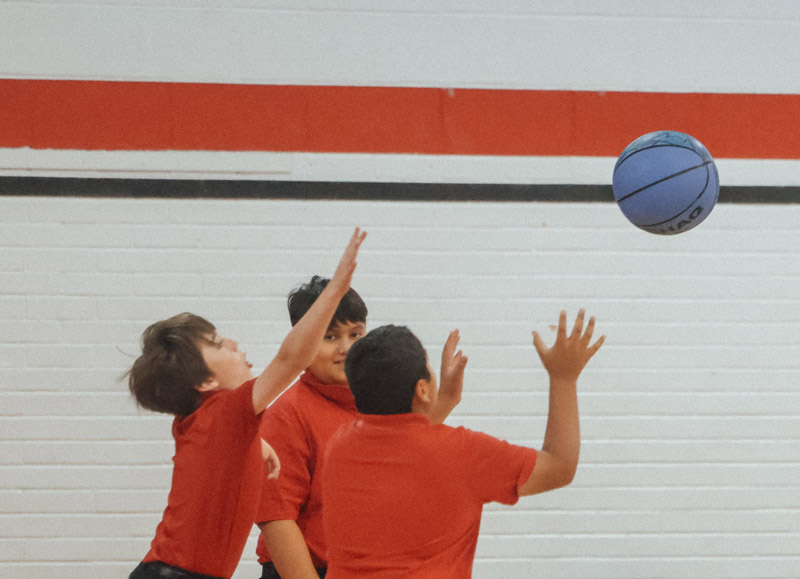
Music develops listening, memory, rhythm, coordination, expression, and cooperation.
Within a Catholic school, music also gives students access to the Church’s tradition of worship and sacred beauty. Through singing and musical study, children learn that music can serve something greater than entertainment. It can unite a community, give voice to prayer, preserve tradition, and direct attention toward God.
Our music programs currently include:
- Choral Music (Pre-K – 4th Grade)
- Band (5th – 8th Grade)
- Music Ministry during Daily Mass (4th – 8th Grade)
Dancing Classrooms
Dancing Classrooms, through the North Texas Dance to Success Program, provides students in 5th – 8th grade with the opportunity to develop coordination, confidence, courtesy, cooperation, and social awareness through structured dance instruction.
Students must learn to carry themselves with composure, treat partners respectfully, accept correction, remember sequences, and participate even when an activity initially feels unfamiliar.
The program reflects a larger conviction: poise, manners, movement, interpersonal respect, and confidence are also part of a young person’s formation.
Performance & Exhibition
Students deserve opportunities to share serious creative work with an audience.
Concerts, performances, exhibits, liturgical celebrations, dramatic presentations, and other public expressions ask students to prepare carefully, manage nervousness, support one another, and offer their work to the community.
Some of our performance opportunities include:
- Grandparents Day
- Christmas Program
- Spring Celebration of the Arts
- Living Museum Academic Fair
SERVICE
Learning to See and Respond
Service begins with attention.
Students must learn to recognize the dignity of another person, notice a need, understand their responsibility, and respond with generosity. Service becomes formative when it grows from love rather than obligation or recognition.
At MSMCS, service is connected to the school’s mission to form students who choose morally and serve faithfully.
The purpose is not to accumulate service hours. It is to develop the habit of seeing other people as neighbors and understanding one’s abilities, time, and resources as gifts that can be used for their good.
Age-Appropriate Service
Service should grow with the child.
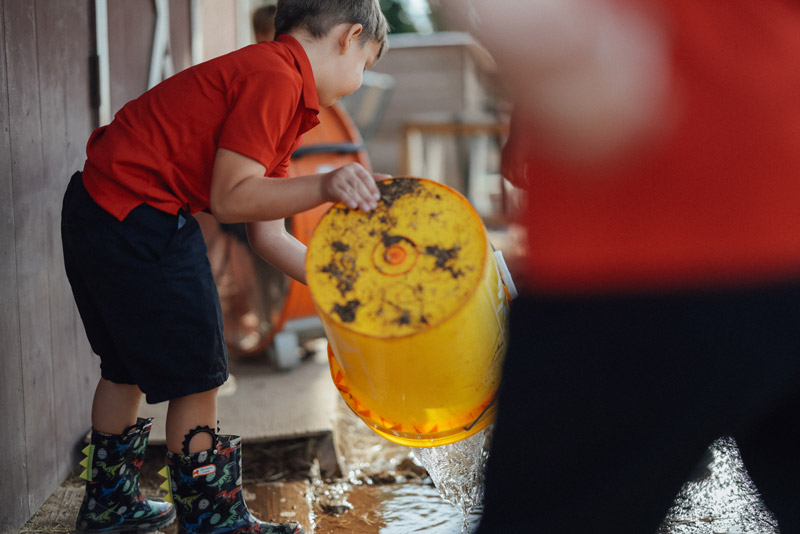
Younger students can care for their classroom, help classmates, pray for others, collect needed items, and participate in simple works of mercy.
Older students can accept more demanding responsibilities, study the causes behind a need, work directly with community partners, help plan projects, and reflect upon how Catholic teaching calls them to respond.
Each class has historically adopted a need within the wider community, combining prayer with developmentally appropriate works of mercy.
Service That Forms the Student
A strong service experience should help students answer:
- Whom are we serving?
- What need are we addressing?
- Why does this need exist?
- How does our Catholic faith call us to respond?
- What can we learn from the people and community involved?
- How should this experience change the way we live?
Reflection keeps service from becoming a transaction. It helps students connect action with dignity, justice, mercy, responsibility, and love.
Our current service activities include:
- Carmelite Priests & Sisters Gift Baskets
- Angel Tree Christmas Gifting
- Lenten Food Collection
- Christmas Caroling
COMMUNITY & TRADITIONS
A School Becomes a Community Through Shared Life
Community is not created by placing people in the same building. It grows through repeated acts of participation, hospitality, worship, celebration, service, and care.
Mount St. Michael brings together students, parents, teachers, administrators, board members, religious communities, clergy, alumni, volunteers, and supporters from across the Dallas area.
Their shared life gives children something increasingly rare: the experience of being known within a community whose members accept responsibility for one another.
Traditions That Create Belonging
Traditions give a school rhythm and memory.
Children anticipate them. Families participate in them. Older students help younger students understand them. Graduates remember them long after specific assignments and schedules have faded.
At MSMCS, many of the most important traditions grow from the Catholic faith: daily Mass, the Angelus, First Friday Adoration, the liturgical seasons, feast days, sacramental celebrations, prayer, and service.
Other school traditions give students opportunities to perform, compete, celebrate, welcome new families, recognize achievement, and enjoy being together.
The strongest traditions do more than fill a calendar. They express what the community values.
Families as Participants
Parents are the primary educators of their children and essential members of the school community.
Family involvement should extend beyond fundraising or volunteering when help is needed. Parents strengthen the school through prayer, participation, communication, hospitality, service, event leadership, club involvement, and relationships with other families.
Children notice when the adults in their lives contribute. They learn that community is not something provided for them. It is something people build together.
Joy Has a Place Here
A serious education should not produce a joyless childhood.
Students need occasions to laugh, celebrate, compete, create, perform, play, and enjoy friendship. These experiences do not distract from formation. They help create the relationships and sense of belonging in which formation becomes possible.
Joy is not the absence of discipline or rigor. It is one sign of a healthy community in which children are known, loved, challenged, and glad to be present.
Plan Your Visit
Come See Where Your Child
Could Belong
A list of activities cannot communicate the friendships, traditions, encouragement, laughter, and shared purpose that make student life meaningful.
Visit Mount St. Michael and experience the community for yourself.